Machine Learning (ML) is a method where computers learn patterns from data and make predictions or decisions without being explicitly programmed. It’s widely used in real-world applications like spam filtering, medical diagnosis, stock prediction and image recognition.
Example: A hospital uses machine learning to predict if a patient has diabetes by analyzing their age, blood sugar levels, BMI and other medical information. This helps doctors make quicker and more accurate diagnoses.
What is Caret in R?
Caret stands for Classification And Regression Training. It is an R package that helps us build ML models. With Caret, we can:
Clean and prepare data
Split data into training and test sets
Train different ML models
Test model accuracy
Caret supports many algorithms like decision trees, SVM and LDA. We can use the same simple train() function for all.
Implementing Machine Learning with Caret in R
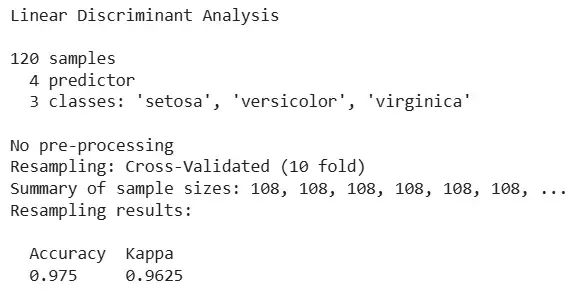
We will now implement a LDA model in R programming language using the caret library
1. Installing required packages
We install the necessary libraries used for data handling, visualization and modeling.
install.packages(): Installs external packages from CRAN so we can use their functions.
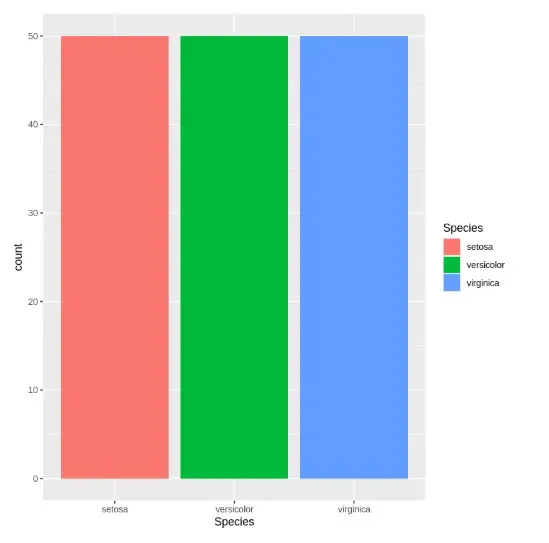
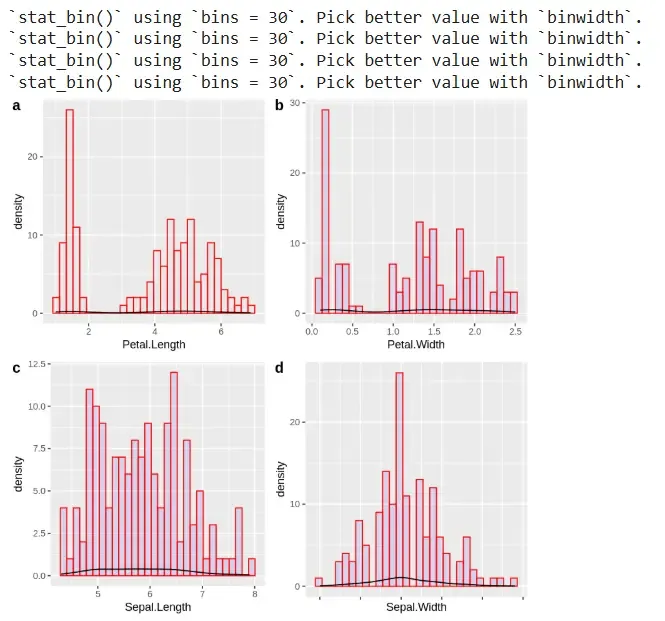
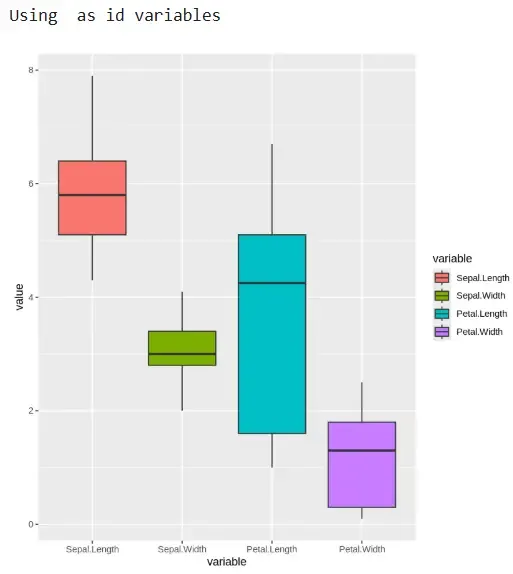
ggplot2: Used to create data visualizations like bar plots, histograms and boxplots.
ggpubr: Enhances ggplot2 by making it easier to create clean, publication-ready plots.
reshape: Helps reshape and organize data, especially useful for converting data into long format with melt().
caret: Main package for building machine learning models, including training, testing and evaluation.
kernlab: Provides backend support for models like SVM that are used by caret.
2. Loading installed libraries
We load all required libraries into our current R session.
library(): Activates packages like ggplot2, caret, etc., for use in the script.
3. Importing and Viewing the Dataset
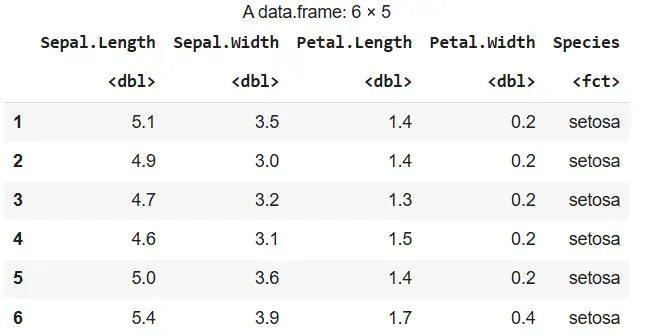
We import the built-in iris dataset and check the top rows to understand its structure.
data(): Loads the iris dataset into memory.
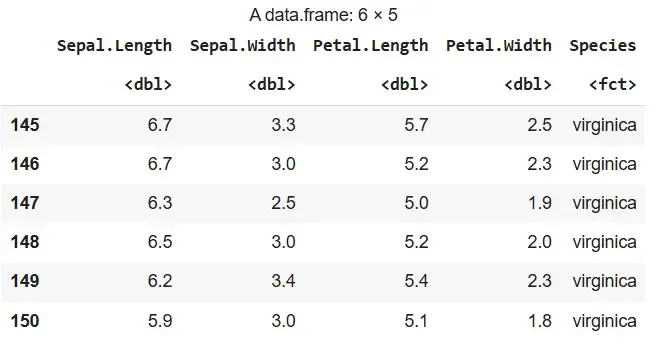
head(): Displays the first few rows of the dataset.